
Is Coding and AI Education Necessary for Primary Schools?
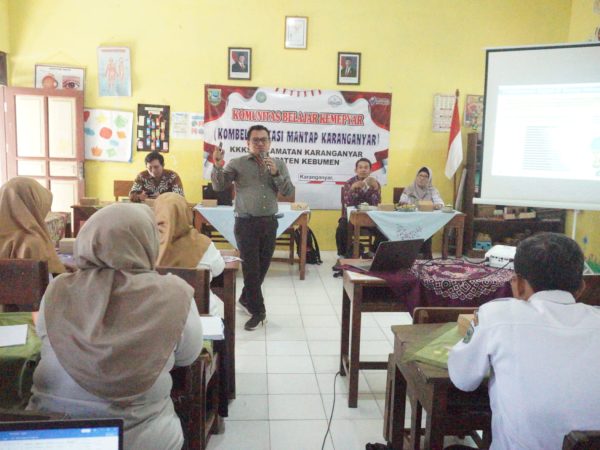
The rapid evolution of digital technology has significantly reshaped the demands of the 21st-century workforce. As automation, artificial intelligence (AI), and data-driven systems become deeply embedded in daily life, there is a growing need to equip students with essential digital skills from an early age. One of the most important transformations in education today is the inclusion of coding and artificial intelligence (AI) education in primary school curricula. But is it truly necessary?
Why Coding and AI Matter in Early Education
The foundation for this initiative can be traced to global and national education reforms. For instance, Indonesia’s Kurikulum Merdeka (Independent Curriculum) emphasizes the development of Computational Thinking, digital literacy, and problem-solving skills as early as elementary school. The goal is to prepare young learners not just as users of technology, but as future innovators who understand how digital systems work and can design their own digital solutions.
According to the World Economic Forum, digital literacy and problem-solving are among the top ten skills required in future job markets. Introducing students to the basics of coding and AI early on fosters logical reasoning, creativity, and structured thinking—core abilities that apply across all subjects and real-life scenarios. In this context, teaching coding and AI at the primary level is not about creating young programmers, but about cultivating a mindset that embraces technology and innovation.
Pedagogical Approaches to Teaching Technology
In implementing coding and AI education at the primary level, three main pedagogical approaches are recommended:
- Internet-Based Learning
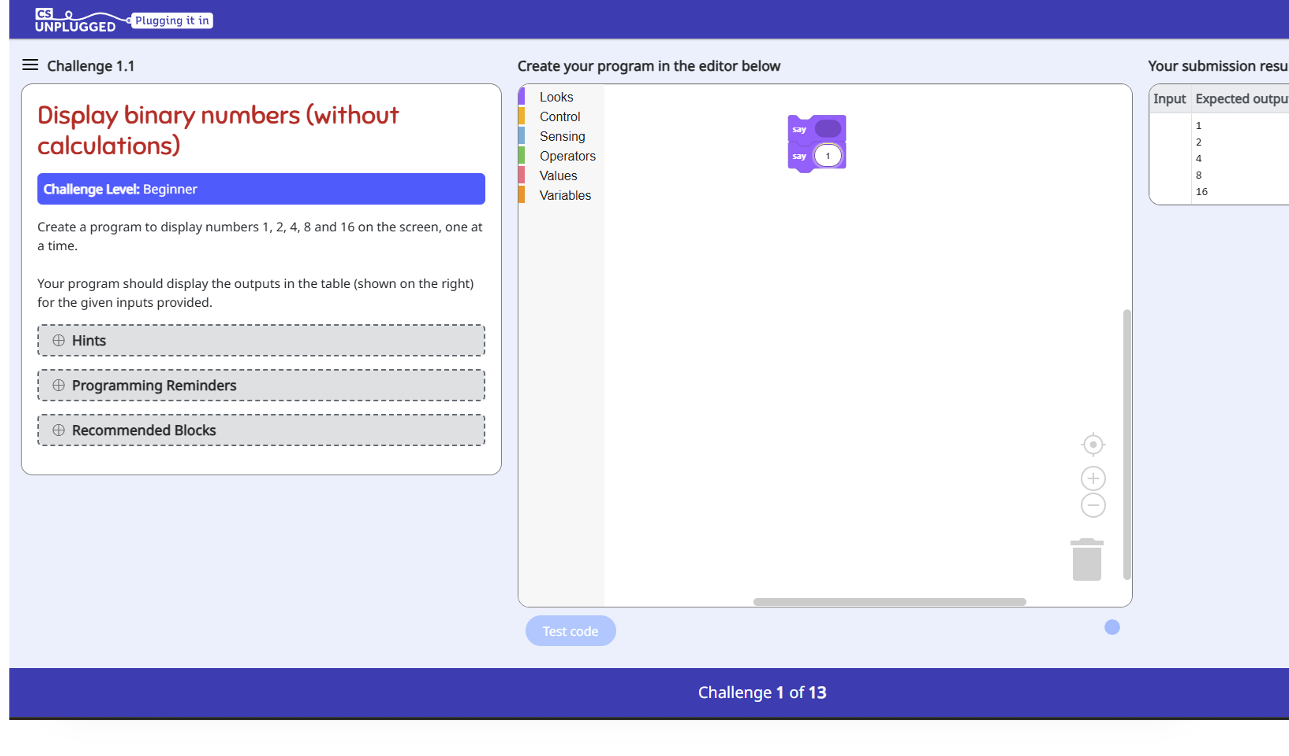
This method uses online platforms such as Code.org, Tynker, or Scratch, which provide structured and interactive lessons in coding and logic. These platforms are suitable for schools with internet access and can be used in both teacher-guided and student-centered learning. - Plugged Learning
In this approach, students interact directly with digital devices such as tablets or computers. Visual programming tools like Scratch enable young learners to build animations, stories, and games by combining blocks of code. This method is ideal for schools that have adequate IT infrastructure and aims to create a deeper understanding of programming concepts in an engaging way. - Unplugged Learning
For schools with limited access to devices or connectivity, unplugged methods are highly effective. Teachers can introduce coding logic through games, puzzles, storytelling, and role-playing activities. For example, students might give instructions to their peers to simulate how a robot follows a command sequence—an exercise in basic algorithmic thinking without using any technology.
Real-World Classroom Applications
The practical application of these methods can be highly adaptable. A Scratch-based project might involve students creating a simple interactive story about their community or designing a mini game that reinforces a math concept. Teachers can integrate coding into language lessons by asking students to animate short dialogues, or into social studies by simulating historical events. These cross-disciplinary projects do not just teach technical skills—they enhance collaboration, communication, and critical thinking.
To ensure successful implementation, it’s crucial that teachers and school leaders receive adequate training and support. Many educators may be unfamiliar with the concepts of AI and coding themselves, making professional development a vital first step. Tailored workshops, community-based learning groups, and ongoing mentoring are effective strategies for building confidence and competence among primary educators.
Conclusion
Yes, coding and AI education is essential at the primary school level, not because every child must become a programmer, but because every child deserves to understand how the digital world works. With the right approach—contextual, inclusive, and adapted to local realities—coding and AI can become powerful tools to nurture innovation, literacy, and lifelong learning in young students. It’s not about machines replacing humans; it’s about preparing humans to work wisely with machines, starting from the classroom.
Another Article

0 Comment
Download APK



Leave a Comment